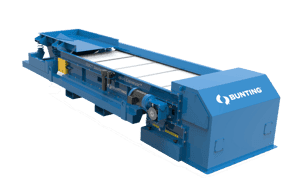
Product Overview
The Stainless Steel Separation Conveyor is a professional metal recycling equipment solution for overseas B2B buyers who need reliable metal removal, material purification, equipment protection, and practical project-based selection support.
Stainless Steel Separation Conveyor is designed for industrial buyers who need stable separation performance without adding unnecessary system complexity. In a typical project, the equipment is selected according to material type, particle size, throughput, moisture, contamination level, installation space, and the target separation result. For recycling applications, it can help recover valuable metals and reduce downstream manual sorting. For mining and mineral processing, it supports ore upgrading, tailings recovery, or conveyor equipment protection. For food, chemical, and powder processing lines, it helps capture ferrous contamination from process streams while keeping cleaning and maintenance practical. The final configuration can be adjusted for conveyor width, housing size, magnetic strength, control method, connection type, and discharge layout. Buyers can send material photos, process drawings, capacity requirements, and target impurities so the selection can be matched to the real working condition instead of a one-size-fits-all model.
Application Categories
Product Details
Available Options
Common options can be selected according to material flow, installation space, and project target.
- Conveyor width customization
- Permanent or electromagnetic system
- Variable speed drive
- Dust cover and guarding
- Integrated stainless steel separation
- Discharge chute and collection bin
Materials Handled
Typical materials and process streams for this product.
- Shredded scrap
- Aluminum
- Copper
- Brass
- Zorba
- Stainless steel
- Mixed industrial waste
- Municipal solid waste
Key Features
- Continuous metal recovery from mixed material streams
- Reduced manual sorting workload
- Better equipment protection and cleaner downstream material
- Configurable line layout for different recycling plants
- Suitable for staged ferrous and non-ferrous separation
- Custom sizing and layout support for different plant conditions
- Designed for practical maintenance, inspection, and long-term operation
Working Principle
The equipment separates valuable metals by combining magnetic attraction, eddy-current repulsion, controlled conveying, and optional optical or color sorting. Ferrous material is removed by magnetic fields, non-ferrous metals are ejected by induced current force, and difficult mixed streams can be upgraded through staged separation.
Advantages
- Continuous metal recovery from mixed material streams
- Reduced manual sorting workload
- Better equipment protection and cleaner downstream material
- Configurable line layout for different recycling plants
- Suitable for staged ferrous and non-ferrous separation
Specifications
Application Industries
Materials Handled
Installation Method
Installed as a standalone machine, conveyor-mounted separator, or integrated section of a recycling, mining, or material handling line.
Customization Options
FAQ
How do I choose the right Stainless Steel Separation Conveyor?
Please provide material type, capacity, particle size, moisture, target metal or impurity, installation space, and photos or drawings of the line. These details help match the Stainless Steel Separation Conveyor to your working condition.
Can the Stainless Steel Separation Conveyor be customized?
Yes. Common customization includes working width, housing size, magnetic strength, frame, connection method, drive system, discharge chute, and control options depending on the product type.
What information is needed for a quotation?
A practical quotation usually needs material photos, process flow, capacity, site layout, target separation result, destination country, and any preferred dimensions or installation constraints.
Is this product suitable for overseas projects?
Yes. The product data is prepared for international B2B inquiries, and the final configuration can be discussed according to local installation conditions and project requirements.